What Is Inquiry-Based Learning?
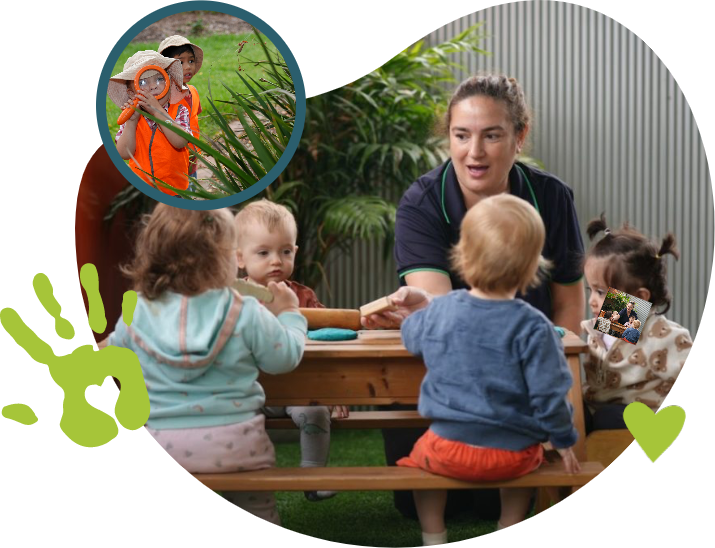
Inquiry-Based Learning is an approach where children learn by exploring their own questions, ideas, and interests. Instead of only being shown what to do, they are encouraged to wonder, investigate, and discover for themselves. This helps them build confidence, think critically, and develop a lifelong love of learning.
At Coombs, our inquiry-based approach is guided by Australia’s Belonging, Being & Becoming Early Years Learning Framework (EYLF), which supports children in becoming curious and capable learners.
Where It Comes From
Inquiry-Based Learning has its roots in the work of educational thinkers like John Dewey, who believed that children learn best through experience and curiosity. Over time, this approach has been supported by psychologists such as Piaget and Vygotsky, who demonstrated that children construct knowledge through interaction with their environment and with others. Today, it’s widely used in early learning centres around the world to nurture deeper understanding and lifelong skills.
How We Do It at Coombs
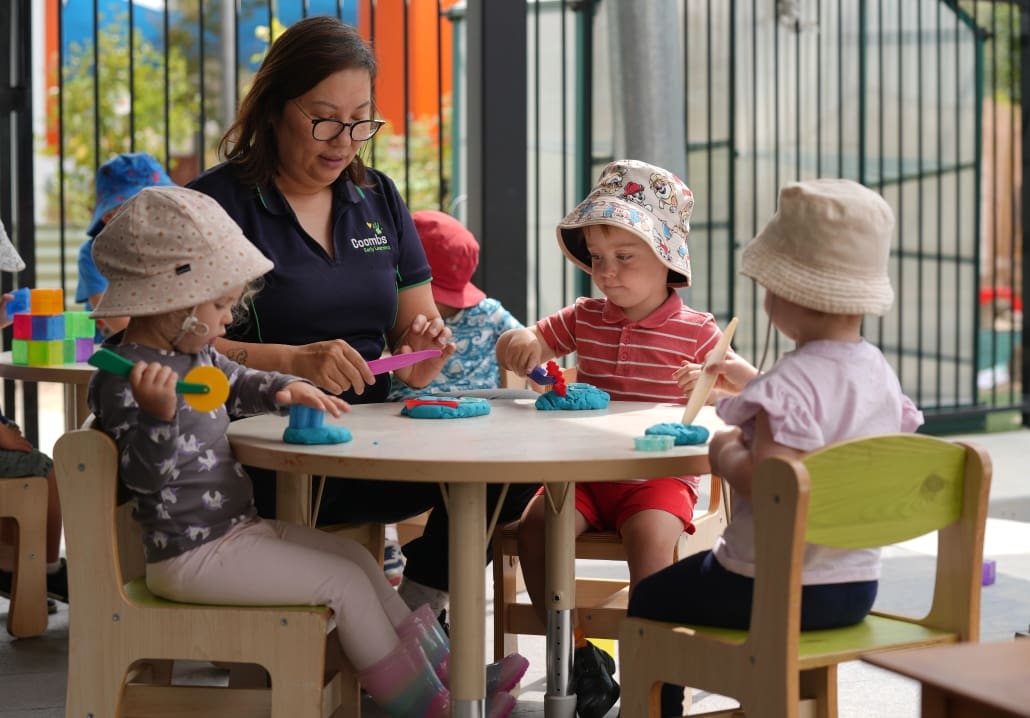
At Coombs Early Learning, inquiry isn’t something we do once in a while; it’s woven into every part of the day.

Child-led questions

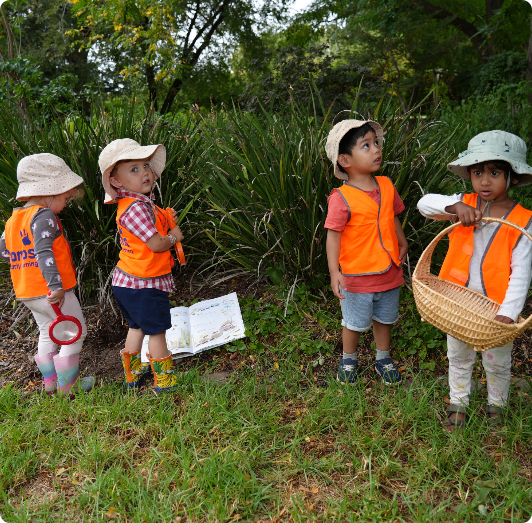
Guided exploration

Reflect and share

Real-world connections
Our approach is also shaped by strong values, including practising gratitude and building positive habits that help children feel connected and respected.
Your Child’s Journey
Every child is unique, but inquiry learning usually follows a simple, natural cycle. It often starts when a question or idea emerges during play or conversation. From there, children explore by observing, experimenting, and investigating in their own way. Educators gently guide this process, asking open-ended questions and providing materials to encourage deeper thinking. As children reflect on what they’ve noticed, they begin to share their discoveries, sometimes through stories, artwork, or building something new. Over time, this process helps children develop problem-solving skills, confidence, and a genuine love of learning.
Real Stories
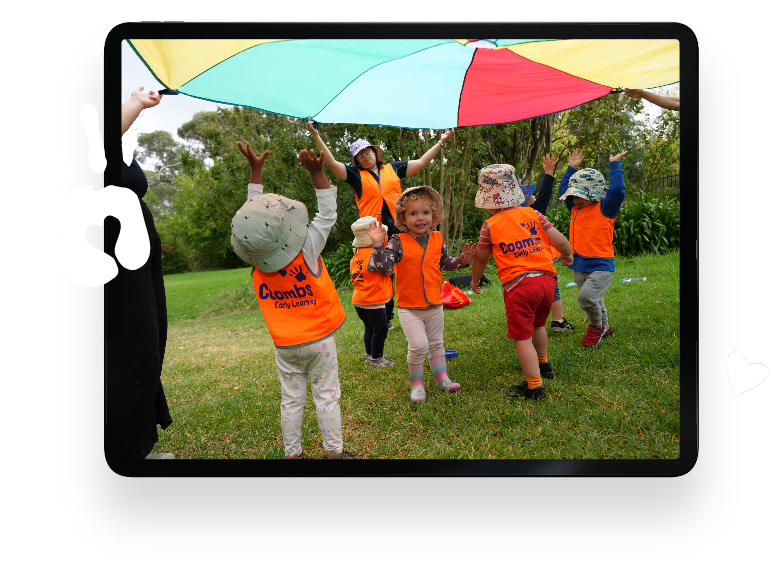
Here are just a few examples of inquiry in action:


These small investigations empower children to see that their ideas matter.